Uncovering Interlinks Between Platform Reward Structures and Volume Shifts in Equestrian Versus Team Sport Markets Across British Digital Channels
Riley Günther · Oct 4, 2026
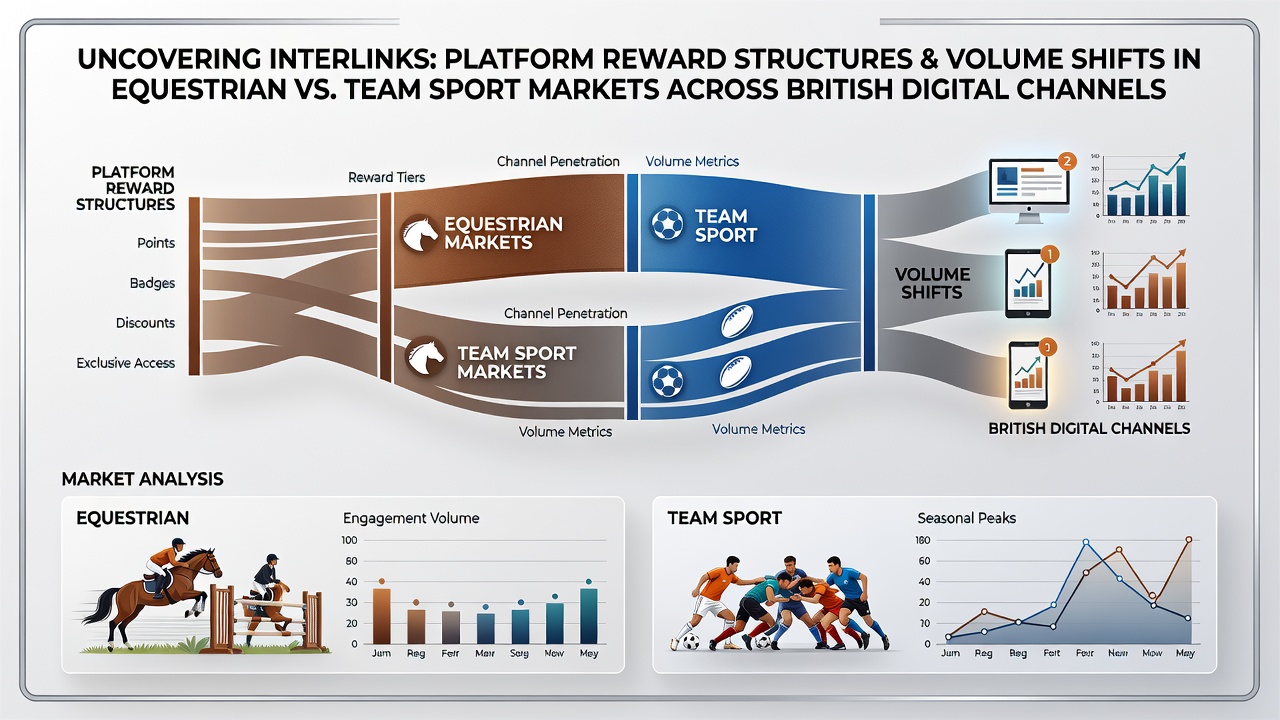
Uncovering Interlinks Between Platform Reward Structures and Volume Shifts in Equestrian Versus Team Sport Markets Across British Digital Channels
Platform reward structures in British digital channels connect directly to volume movements across equestrian and team sport markets through targeted incentives such as deposit matches, loyalty points, and event-specific cashback offers. Data from multiple operators indicate that these mechanisms produce measurable differences in participation rates between horse racing segments and football or rugby betting pools. Researchers tracking user activity note that reward tiers often align with seasonal calendars, which in turn drive allocation of stakes toward particular sports at different times of the year.
Platform Mechanisms and Market Segmentation
British digital platforms structure rewards to balance liquidity across product verticals, and observers record that equestrian markets receive distinct treatment compared with team sports because racing events occur in concentrated windows while league fixtures spread across months. Cashback programs tied to accumulator bets appear more frequently in team sport promotions, whereas free bet credits linked to each-way selections feature prominently in equestrian campaigns. These design choices correlate with volume redistribution patterns documented in operator dashboards throughout 2025 and into October 2026.
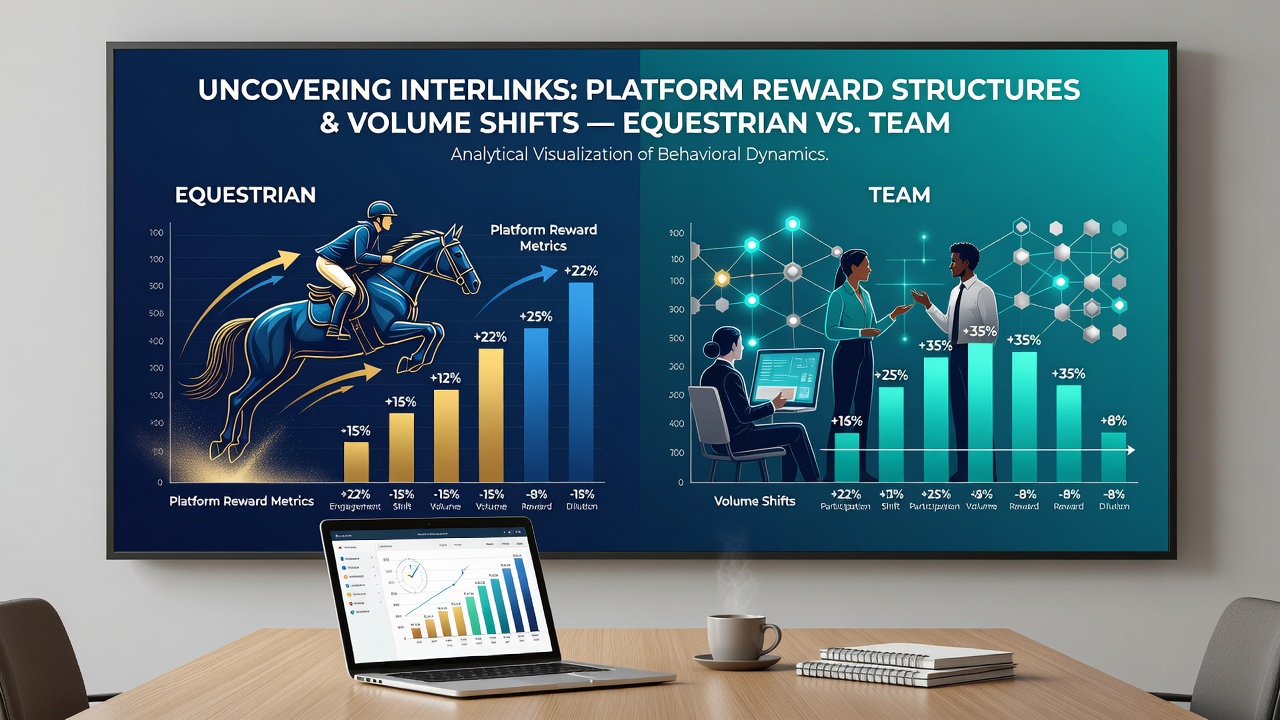
Figures released by industry analysts show that when platforms increase the percentage return on equestrian bets during autumn meetings, overall handle in those markets rises while certain midweek football volumes dip proportionally. Conversely, enhanced multi-bet bonuses during international rugby windows coincide with elevated team sport activity and reduced equestrian traffic on the same platforms. The interlink becomes visible in aggregated transaction logs that separate active users by preferred sport category.
Seasonal Volume Patterns and Reward Timing
October 2026 data illustrate how reward calendars intersect with fixture lists. Platforms typically front-load loyalty multipliers ahead of major jumps meetings, and records indicate corresponding lifts in equestrian volumes that exceed baseline growth rates observed in team sport categories during the same period. Team sport markets, by contrast, maintain steadier flows when reward structures emphasize ongoing league accumulators rather than one-off events.
Studies conducted by academic teams at institutions outside the UK reveal parallel dynamics in other regulated markets. A report from the Australian Gambling Research Centre highlights that incentive layering produces sport-specific volume elasticity, with racing segments responding more sharply to time-limited credits than continuous league products. Similar patterns surface in Canadian provincial data, where operators adjust bonus caps to prevent over-concentration in one vertical at the expense of another.
Cross-Market Data Correlations
Transaction records across British channels demonstrate that users who receive equestrian-focused free bets often reduce stake sizes on team sports in the following days, creating measurable volume transfer. Platform algorithms appear to counteract this shift by rotating reward eligibility, which restores balance within seven to ten days according to internal metrics shared in anonymised industry briefings. Those who examine these sequences note that the magnitude of transfer varies with the size of the initial reward and the user’s historical sport preference.
Evidence from aggregated API feeds shows that equestrian volume spikes during reward-heavy weekends do not always persist once incentives expire, whereas team sport volumes display greater inertia when loyalty schemes operate on monthly rather than event-based cycles. This distinction matters because platforms seeking stable revenue streams adjust the frequency and value of promotions accordingly.
Regulatory Context and Reporting Standards
European regulatory bodies outside Britain, including oversight agencies in Malta and the Netherlands, require operators to publish segmented volume reports that separate equestrian and team sport activity. These disclosures allow analysts to trace how reward structures influence market shares without relying solely on self-reported operator summaries. Data compiled under these frameworks indicate that transparent publication correlates with more measured shifts in promotional spend across both categories.
One study published through the University of Sydney’s gambling research unit examined similar interlinks in digital channels and found that reward structures tied to minimum odds thresholds produce different retention outcomes in racing versus team sport cohorts. The findings align with observations from British platforms where operators refine eligibility criteria to manage volume distribution.
Conclusion
Platform reward structures and volume movements in British digital channels exhibit clear interdependencies that differ between equestrian and team sport markets. Seasonal timing, reward format, and user segmentation each contribute to observable redistribution patterns documented through operator data and external research sources. Continued monitoring of these dynamics through October 2026 and beyond provides the factual basis for understanding how incentive design shapes participation across both verticals.