How Mobile Interfaces Have Reshaped Access to Comparative Odds for UK Sports Enthusiasts
Gisela Lange · Aug 19, 2026

How Mobile Interfaces Have Reshaped Access to Comparative Odds for UK Sports Enthusiasts
Smartphones began altering how UK sports enthusiasts compared betting odds once apps started delivering real-time data from multiple operators directly to handheld screens, and this shift accelerated as data networks improved throughout the 2010s. Observers note that desktop computers once required users to open several browser tabs and refresh pages manually, whereas mobile interfaces consolidated those same comparisons into single, continuously updated dashboards that pulled information from various bookmakers without additional effort.
Early Desktop Limitations Versus Mobile Advancements
Before widespread smartphone adoption, enthusiasts relied on desktop websites that loaded slowly and often displayed static odds updated at irregular intervals, yet the arrival of responsive mobile designs allowed platforms to push notifications and live changes straight to devices carried throughout the day. Researchers tracking digital behaviour found that by 2018 mobile devices already accounted for over half of all visits to odds-comparison sites in the UK, and those figures continued climbing as 4G coverage expanded across urban and rural areas alike. Data from industry reports indicates that apps reduced the time needed to scan multiple bookmakers from several minutes to under thirty seconds in many cases, since algorithms now aggregated prices automatically and highlighted discrepancies across markets.
Real-Time Updates and User Interface Features
Mobile operating systems introduced background refresh capabilities that kept odds current even when users switched between applications, and this technical change meant sports fans could check football, horse racing, or tennis markets while commuting or watching events in person. Interface designers incorporated swipe gestures, collapsible menus, and colour-coded price movements that made quick visual scanning easier than scrolling through long tables on a laptop. Studies from academic institutions in Australia have shown that such visual cues help users identify value opportunities faster because the eye processes highlighted differences more readily than plain text lists. As of August 2026, many comparison tools also integrate location-based filters that respect UK regulatory boundaries while still presenting available markets from licensed operators.
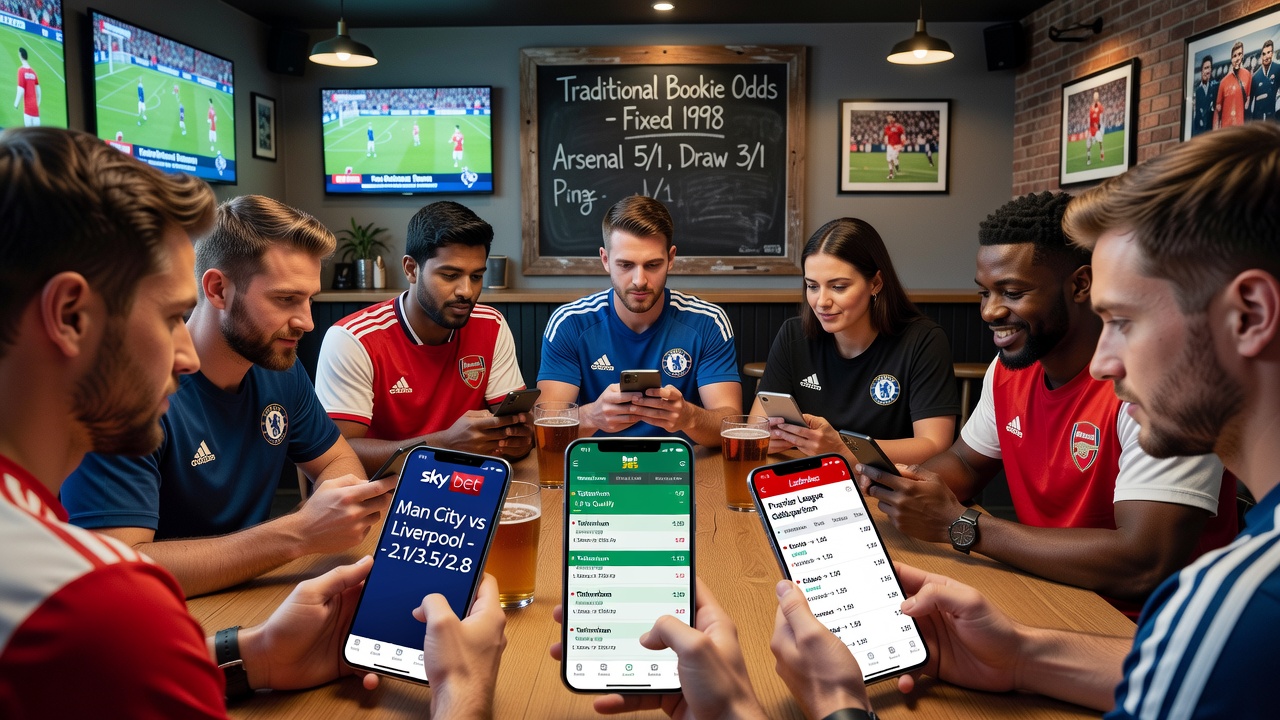
Push notifications now alert subscribers when odds on a chosen selection move beyond a preset threshold, removing the need for constant manual checking that once defined desktop sessions. These alerts draw from aggregated feeds rather than single sites, and they allow enthusiasts to respond promptly when better prices appear elsewhere.
Impact on Participation Patterns Among UK Users
Statistics compiled by European research bodies reveal that the proportion of UK adults using mobile devices for sports-related price comparisons rose steadily from roughly 35 percent in 2015 to over 70 percent by 2024, with further growth projected through 2026. The convenience of pocket-sized access encouraged more frequent but shorter sessions rather than prolonged desktop logins, and this pattern appears across age groups once smartphones became the primary internet device for most households. Government data from Canada on digital gambling trends similarly notes that mobile interfaces lowered barriers for occasional participants who previously found desktop comparison cumbersome. Features such as saved bet slips, quick deposit links, and biometric login further streamlined the journey from price discovery to placement without requiring users to leave the app environment.
Regulatory and Technical Considerations
UK operators must maintain separate licensed platforms that comply with local rules, yet mobile comparison services often display only those options available to domestic users while still sourcing data from international feeds for reference purposes. Security protocols built into modern smartphones, including encrypted connections and app sandboxing, have addressed earlier concerns about data transmission during odds checks. Industry associations in the United States have documented how similar mobile standards improved transparency around price movements across state-regulated markets, providing a parallel example of how interface design interacts with oversight frameworks elsewhere.
Conclusion
Mobile interfaces have consolidated multiple sources of odds information into portable, always-available formats that eliminated many of the logistical hurdles once associated with desktop research. Continued refinement of app features, network speeds, and data aggregation methods suggests further evolution remains likely, while the core transformation in accessibility for UK sports enthusiasts has already become firmly established through these devices.