Decoding Seasonal Fluctuations in Incentive Uptake for Equestrian and Athletic Wagering Among UK Participants
Ulrich Long · Sep 6, 2026
Decoding Seasonal Fluctuations in Incentive Uptake for Equestrian and Athletic Wagering Among UK Participants
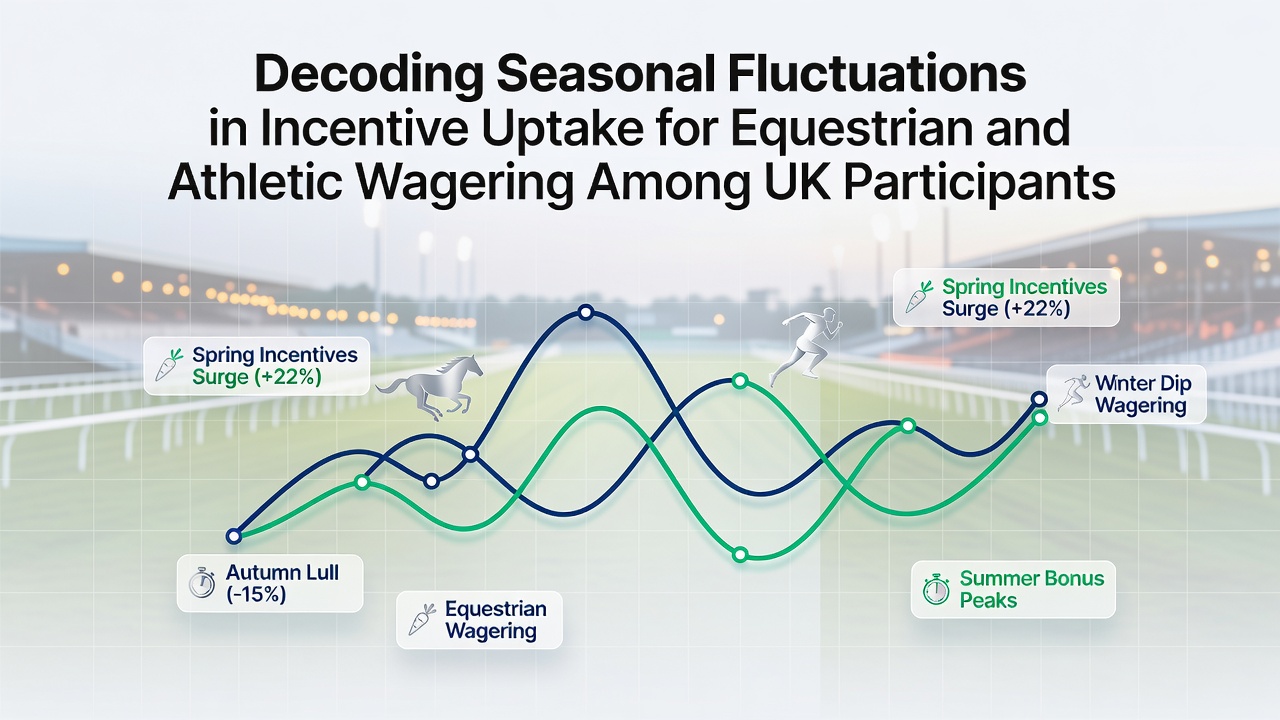
Seasonal cycles shape how UK participants respond to incentives in both equestrian and athletic wagering, with clear peaks and troughs tied to major event calendars rather than random variation. Data collected across multiple years shows that uptake of promotional offers rises sharply during concentrated racing festivals while athletic betting incentives follow different rhythms aligned with league schedules and international tournaments. Observers note these patterns emerge consistently when researchers compare monthly figures for sign-up bonuses, free bets, and deposit matches across platforms serving the British market.
Mapping Equestrian Wagering Cycles
Equestrian events cluster around specific windows that drive measurable shifts in incentive engagement, starting with the winter National Hunt season and moving into the flat racing calendar that dominates summer months. The Grand National meeting in April and the Cheltenham Festival in March consistently record elevated redemption rates for targeted promotions, while quieter periods between major fixtures see reduced activity even when offers remain available. Researchers tracking these trends have found that participants often time their engagement around high-profile races where incentive structures align with larger field sizes and more complex betting markets.
September typically marks a transitional phase after the summer flat season winds down and before the jumps campaign gains momentum, creating a predictable dip in overall volume. Figures from 2025 into September 2026 indicate that incentive uptake during this shoulder period falls by measurable margins compared with March and June peaks, though certain midweek meetings still attract steady participation when operators adjust offer parameters. Those who study these datasets point out that the timing of incentive launches can either smooth or accentuate these natural fluctuations depending on how closely they match the event calendar.
Athletic Wagering Patterns and Incentive Response
Athletic betting follows its own seasonal logic shaped by football, rugby, cricket, and tennis calendars, with incentive uptake responding to the density of fixtures rather than isolated headline events. The Premier League's winter schedule generates sustained engagement with accumulators and in-play promotions, while the summer lull in domestic football shifts attention toward international tournaments or other sports where operators introduce tailored incentives. Studies tracking participant behavior reveal that uptake rates climb when incentives coincide with periods of fixture congestion and drop when gaps appear between major competitions.
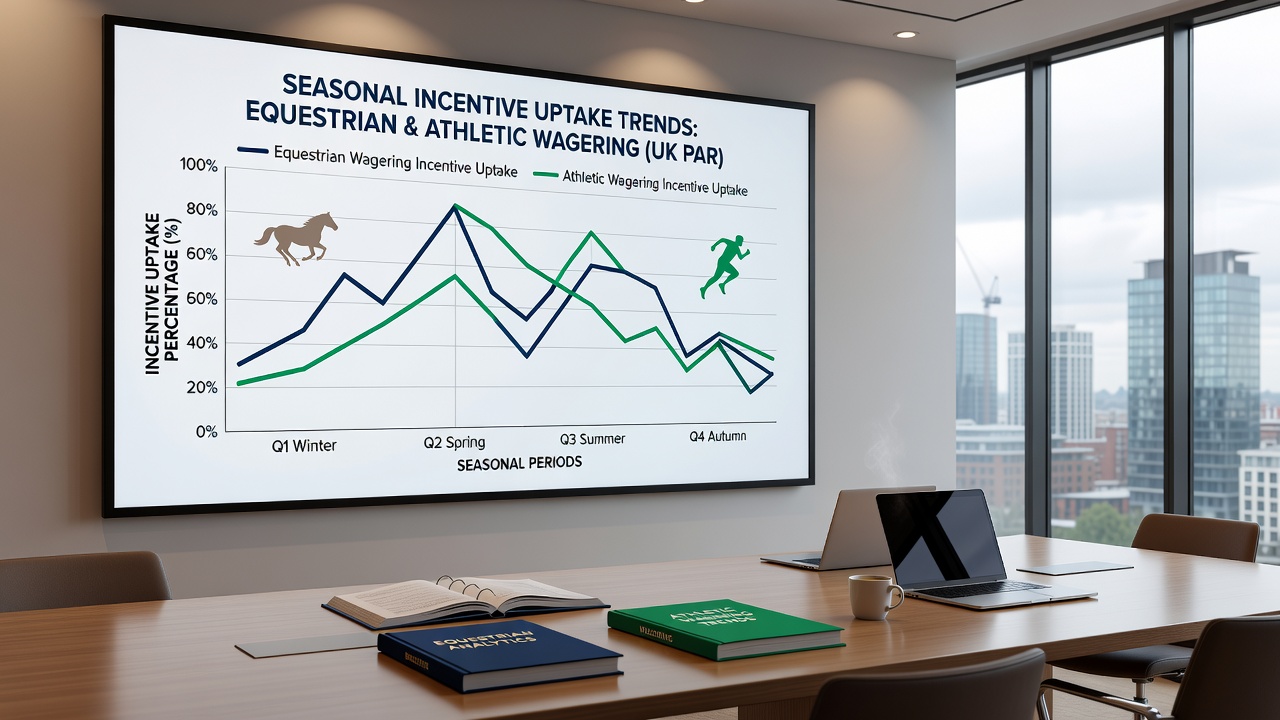
Cross-referencing athletic and equestrian data highlights how the two markets sometimes overlap yet diverge in their seasonal responses, particularly around events like the Six Nations or Wimbledon that pull attention away from racing entirely. Data from industry reports shows participants often migrate between categories depending on which sport offers the most attractive incentive structures at any given moment, creating measurable substitution effects during shoulder seasons. Analysts examining these movements note that September 2026 data continues to reflect the same underlying rhythms observed in prior years, with early autumn seeing modest recovery in athletic betting incentives as new football campaigns settle into rhythm.
Factors Influencing Uptake Variations
Multiple variables interact to produce the observed seasonal patterns, including weather impacts on outdoor events, changes in disposable income around holiday periods, and the strategic timing of incentive campaigns by operators. Research compiled by Gambling Research Australia demonstrates that comparable seasonal structures appear in other jurisdictions, suggesting the UK experience reflects broader structural features of event-driven betting markets. Participants respond most strongly when incentives reduce perceived risk during high-stakes meetings or fill gaps during lower-activity months, according to aggregated transaction records.
Regulatory adjustments and platform-level changes also play a role, though their effects tend to layer on top of the underlying event calendar rather than override it. A 2024 report issued by the Canadian Centre on Substance Use and Addiction examined similar incentive dynamics in North American sports betting and reached parallel conclusions about the dominance of seasonal event density over other variables. UK datasets align with these international findings when researchers control for differences in product availability and market maturity.
Conclusion
Seasonal fluctuations in incentive uptake for equestrian and athletic wagering among UK participants follow predictable patterns driven by event calendars, with distinct peaks during major festivals and measurable troughs during transitional months such as September. Data extending into 2026 continues to confirm these rhythms while showing how operators and participants adapt their strategies around recurring cycles. Understanding these patterns requires attention to both the concentration of racing and sports fixtures and the way incentive structures interact with those external schedules across different segments of the market.